Barrier Against Hard Water Damage
The Smartest Way to Protect Your Hair
Since water is meant to be your hair’s best friend, every wash may be worse if you live in an area with hard water. Minerals found in hard water, like calcium and magnesium, stay strongly to your hair. They eventually dull your shine, remove moisture, damage your cuticle, and make your hair feeling lifeless and dull.
shifting to a new city or replacing your shower are not the answers. It forms a shield that barriers minerals from starting staying to your hair. Your hair will finally behave as it should soft, smooth, and breakable once this barrier is in place.
Let’s learn in detail what hard water does, how a barrier fixes the issue at hand, and how to build one easily.
Why Hard Water Damages Your Hair
Hard water is similar to washing your hair in mineral dust, without its almost harmless name. Microscopic particles stick to the hair after each shower and build up over time. The buildup interfering with your products, damages the cuticle, and blocks moisture.
Results seem immediately:
- Hair gets tense and dry.
- Faster split ends
- During brushing, breakage increases.
- The scalp is dry or itchy.
- The colour of the hair seems dulled.
- Curls lose their bounce and defined nature.
while you may think that your shampoo is the issue, the water may be responsible for of the result.
What Is a Hard Water Barrier?
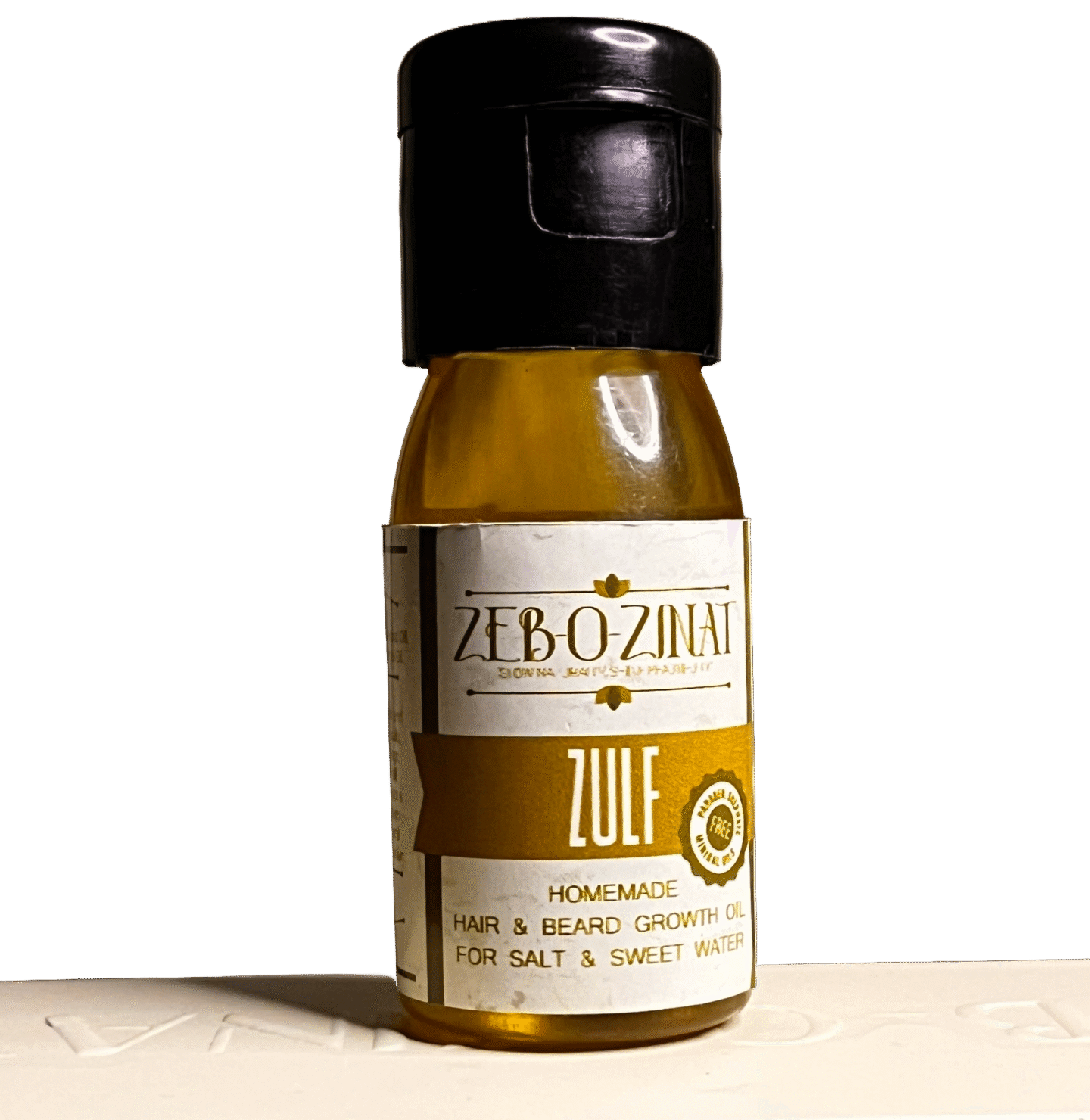
Before washing, a layer of defence called a barrier against hard water is put on to the hair. To avoid minerals from stuck to the surface, it coats all of them in a thin shield. This barrier maintains moisture inside and prevents the development of particles that cause hardness. Imagine your hair had a coat on, the rain would still fall but would never come into touch with your skin. Zulf Hair Oil helps form this protective barrier, making hair less affected by hard water and easier to manage.
Why You Need This Barrier
Minerals stick to your hair in the same way that dust attracts furniture if you don’t have any protection. They eventually weaken the ends and make the products useless.
A barrier against hard water
- prevents the growth of mineral deposits
- keeps hair hydrated.
- avoids tangles and roughness
- improves the performance of shampoos and conditioners
- protects all hair types, but especially damaged or dyed hair.
- The difference looks to show up rapidly once you start using it.
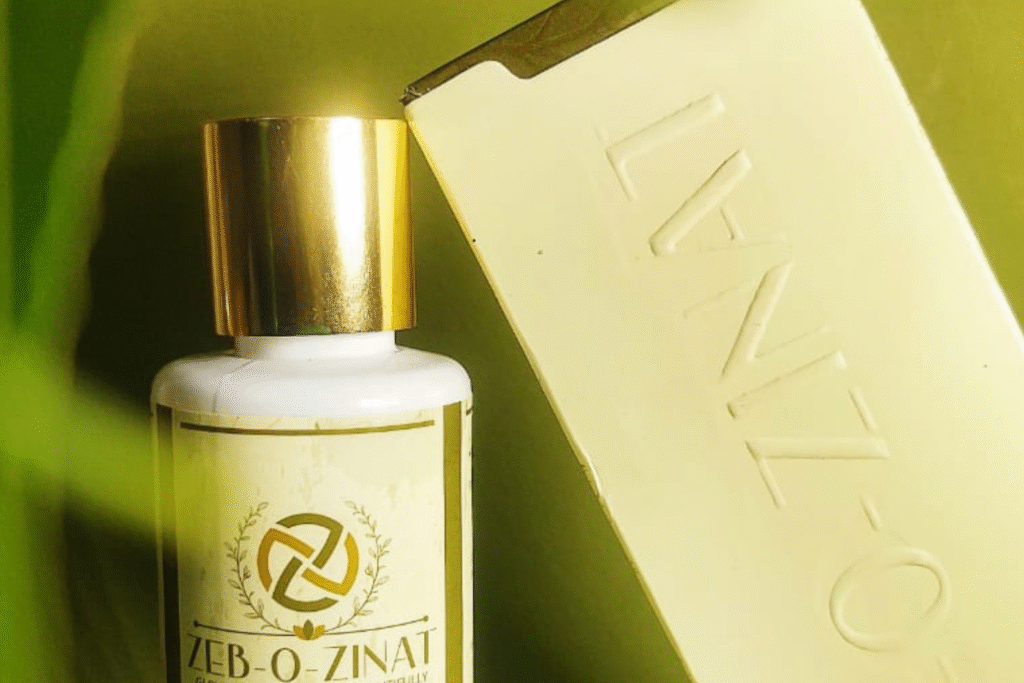
What Makes a Good Hard Water Barrier?
A strong barrier of protection should:
- Absorb rapidly
- It feels light.
- Work with all types of hair
- Without making your hair feel heavy.
- Maintain continuous hydration
- away from the mineral attachment
Minerals have nothing to stick to when the proper solution is applied to the hair, therefore they rinse off readily instead of clinging stubbornly.
Ingredients That Create a Strong Protective Layer
Most natural substances are especially effective at generating this barrier. Without covering the scalp, they protect, nourish, and stop mineral buildup.
Benefits of Ingredients
- Jojoba oil: balances hair and duplicates the natural oils of the scalp.
- Coconut oil: prevents mineral buildup and penetrates deeply.
- Argan oil: improves hair, adds shine, and reduces frizz.
- Almond oil: reduces dryness and smoothes rough cuticles.
- Aloe Vera : hydrates and soothes itchy scalp
- Rice bran extract : creates a barrier that keeps buildup at away.
While every component has a unique purpose, taken as a whole, they provide your hair with the system of defence it truly needs.
How to Build a barrier against hard water (Step-by-Step)
There’s no need for a lengthy salon routine. Your hair can be transformed with an easy process before and after washing.
Before taking a shower
- Apply a tiny bit of protective oil to the ends and mid-lengths.
- Let it proceed for twenty to thirty minutes.
- Never apply straight to your scalp.
When Washing
- Make use of warm water.
- Let shampoo flow through instead of scrubbing harshly
After Washing
- While your hair remains damp, reapply a small amount of oil.
- Comb carefully to even out
- If at all possible, let your hair dry organically.
- Over time, consistency improves the barrier, so maintain it.
Who Needs a Hard Water Barrier?
This isn’t just for people with damaged hair. Your hair asks for protection if you see any of these symptoms:
- Rough or tense hair after washing
- Hair fall during brushing
- Loss of shine even with oiling
- Hair colour changing
- Curls that are not able to define
- Dry ends and itchy scalp
Hard water affects everyone sooner or later whether you realise it or not.
Hair Types That Benefit the Most
Hair Curly
Naturally, curls are thirsty. Water that is hard dries them out. The protective layer keeps moisture locked in and curls defined
Straight Hair
The buildup of minerals make straight hair weak and dull. Smoothness and movement are restored by a barrier.
Fine Hair
Thin strands are boosted by lightweight oils without becoming heavier.
Cleaned Hair
Straightened, dyed, or bleached hair is like a sponge. Protection stops minerals from getting deep inside.
Visible Results You Can Expect
Once you start using a barrier against hard water , your hair begins modifying in ways you can feel:
- Softer hair strands
- Less breakage and hair fall
- Reduced frizz
- Faster detangling
- A shine boost
- Long-lasting hair colour
- Products start performing better
In one week, you’ll notice the difference. You’ll be wondering how you survived without it in a month.
Common Mistakes to Avoid
f you’d like the barrier to work at its best, avoid away of following habits:
- Using too much oil
- Put on the scalp instead of ends
- Using huge butter-based products
- Washing hair too regularly
- Expect an immediate change
Haircare is a journey slow and careful always wins
Hard Water Myths People Still Believe
Myth: Changing shampoo would heal everything
Truth: Without cleaning minerals, shampoos can’t provide benefits
Myth: Only dry hair suffers
Truth: All hair types eventually suffer
Myth: Rinsing with bottled water is helpful
truth, it is pricey and unnecessary.
Better protection is all you need, not different water.
FAQ:
- Is the barrier noticeable on hair?
No, a proper barrier is invisible and lightweight.
- Is it used by men?
Usually. Everyone has been affected by hard water.
- How often should I apply it?
For most hair types, two to three times a week is enough.
- Will it cause oily hair?
Not if the right amount is given.
- Is it suitable with styling products?
Actually, it enhances their performance.
Final Thoughts
Hard water may not be something you can control, but how your hair reacts to it is fully in your hands. By avoiding minerals from harming your hair, a protective layer keeps it nourished, glossy, and free of breakage. Everything becomes better once a shield is in place: your routine starts working properly, your products become more productive, and your hair feels like yourself once more.
Every wash becomes a win once your hair develops a reaction to hard water .
Zulf Hair Oil supports this protection naturally, strengthening your scalp barrier so your hair remains resilient, healthy, and easier to maintain.